Description
The Nokia 6600 is one of those phones that marked a shift—from simple mobile devices to something smarter, more capable, and a bit ahead of its time. Released in 2003, it wasn’t just another keypad phone; it was a true early smartphone, built for users who wanted more than just calls and messages.
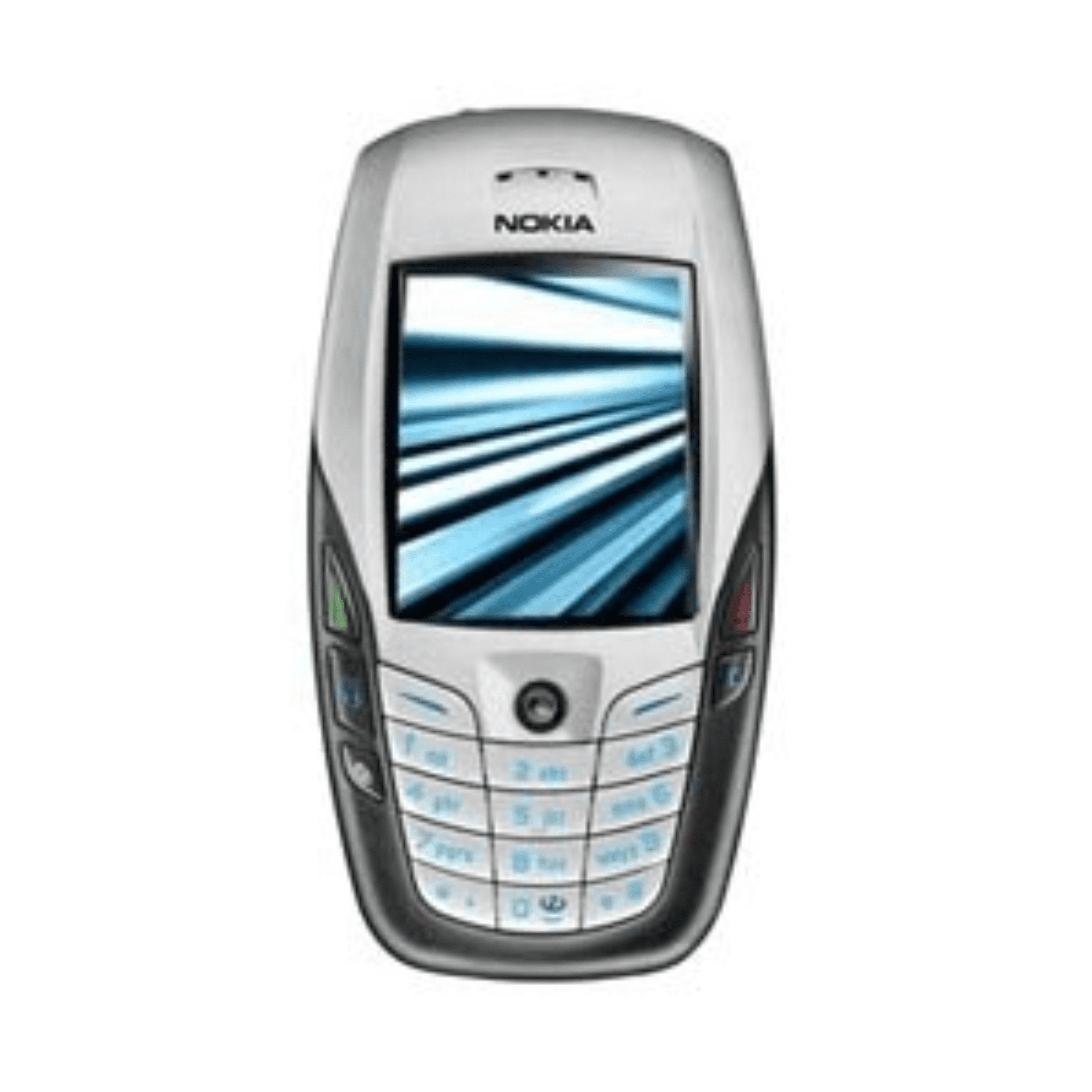
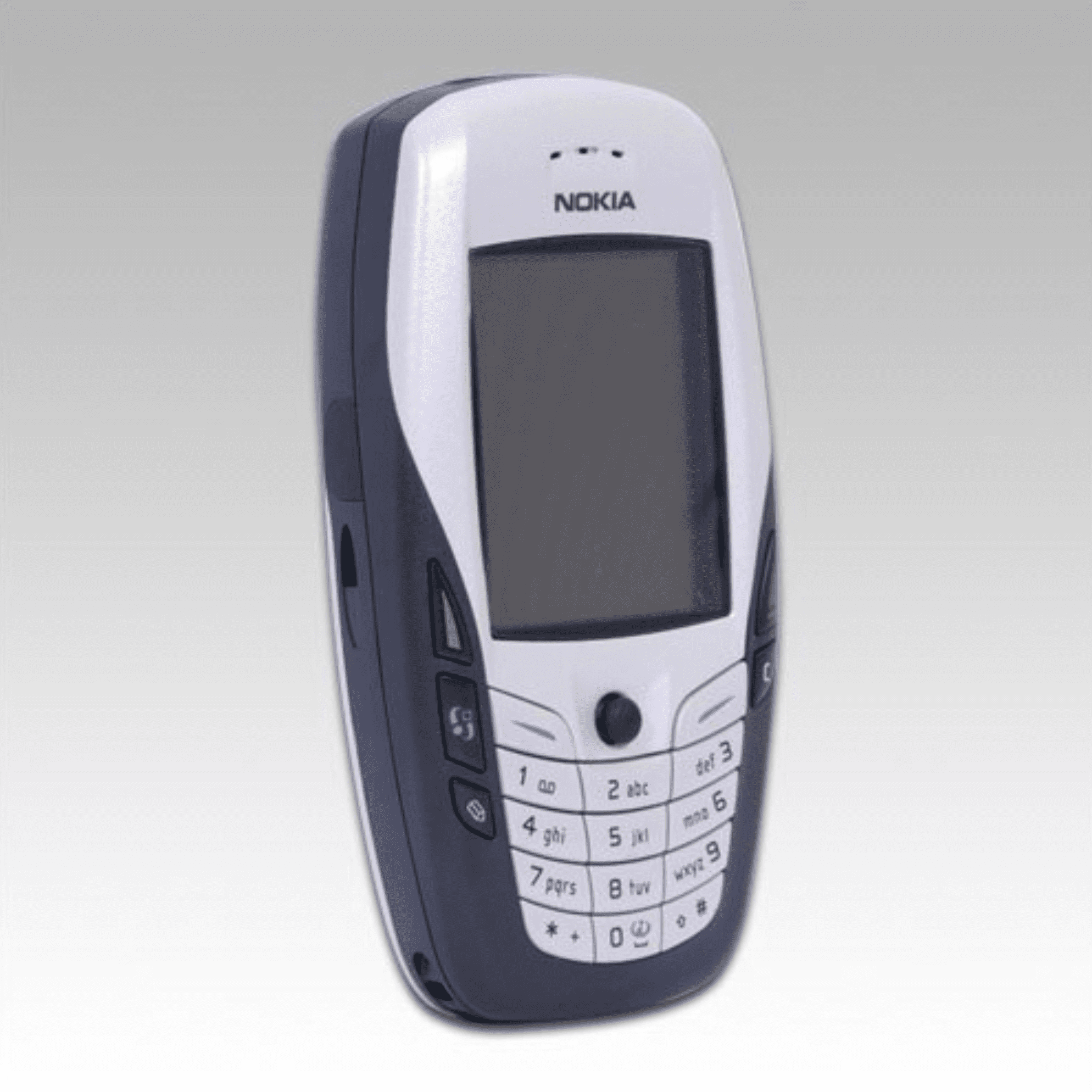
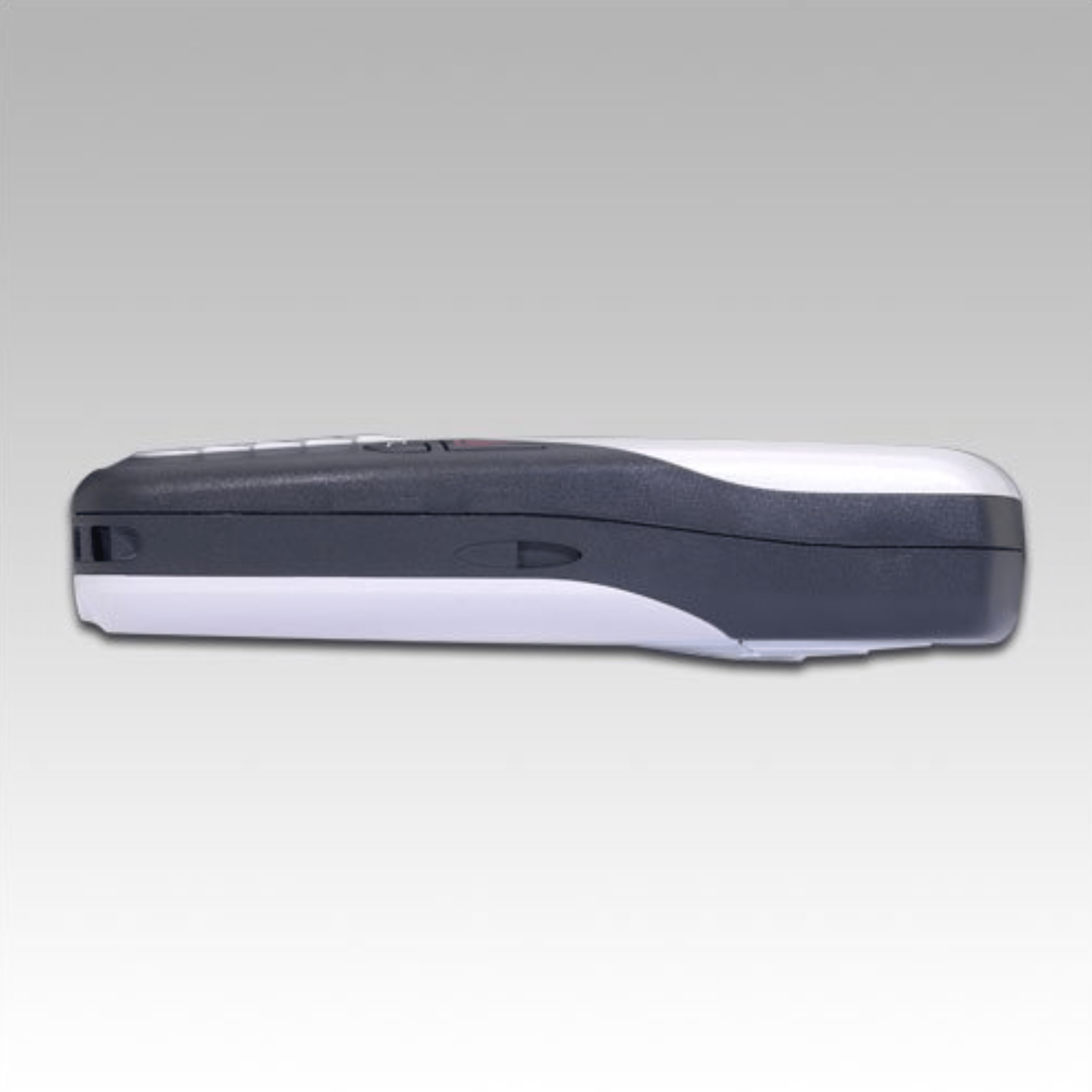
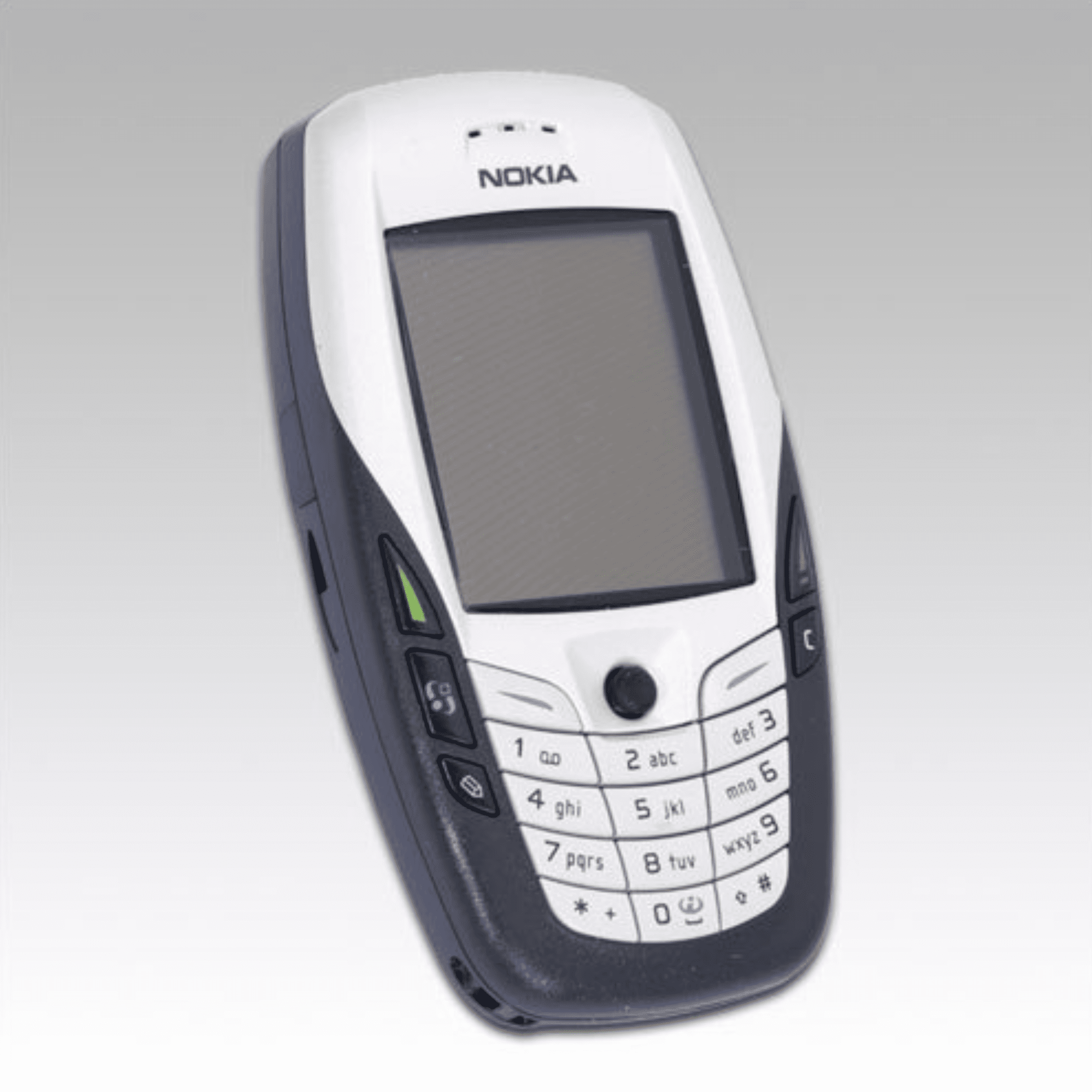
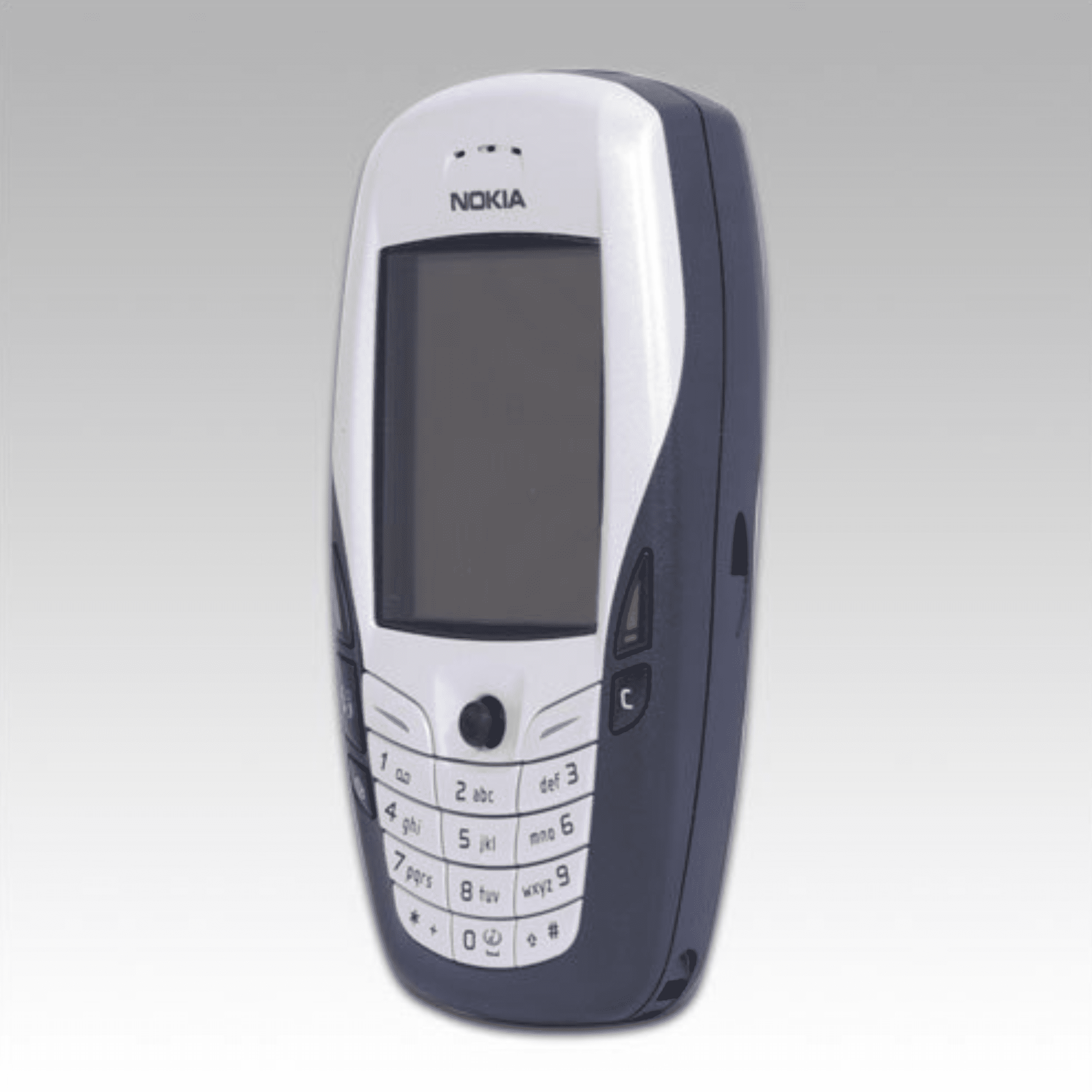
The first thing you notice is its distinctive rounded design. It’s not slim, not minimal—but it has character. The curved body fits naturally in your hand, and the solid build gives it a reassuring weight. This was a phone designed to feel premium, especially for business users of that era.
At the center is a 2.1-inch TFT color display with a resolution of 176 × 208 pixels, capable of showing over 65K colors. For its time, this was impressive. It made menus, images, and apps feel more alive compared to older monochrome or limited-color screens.
What really sets the Nokia 6600 apart is its brain—the Symbian OS (Series 60). This turns the phone into a mini computer. You’re not just limited to built-in features; you can install apps, games, and tools. It supports both Java and Symbian applications, opening the door to customization and functionality that basic phones simply didn’t offer.
The phone is powered by a 104 MHz processor, which was quite capable at the time. It allowed users to multitask—switching between apps, browsing, messaging, and more. It may feel basic now, but back then, it felt like having control over your phone in a completely new way.
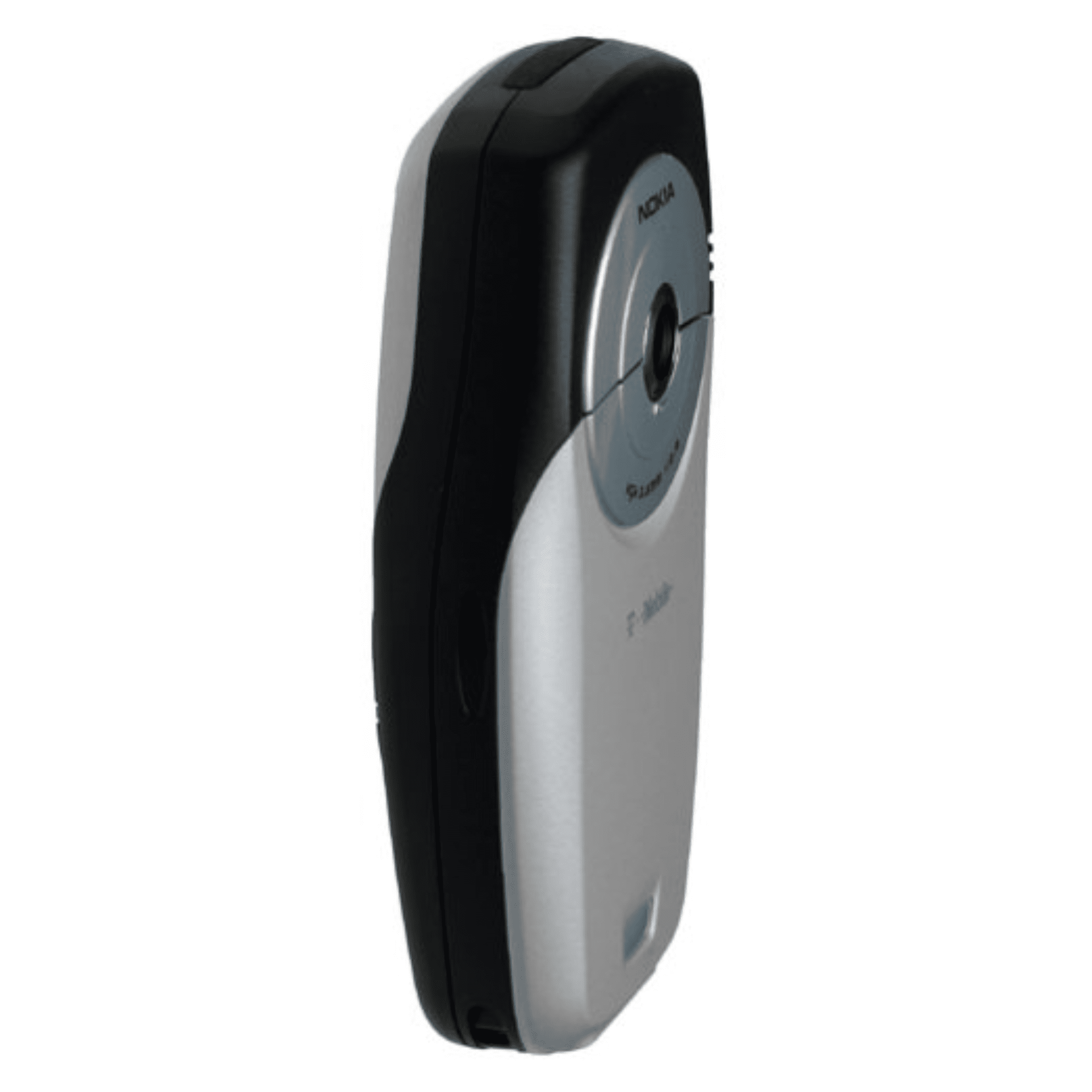
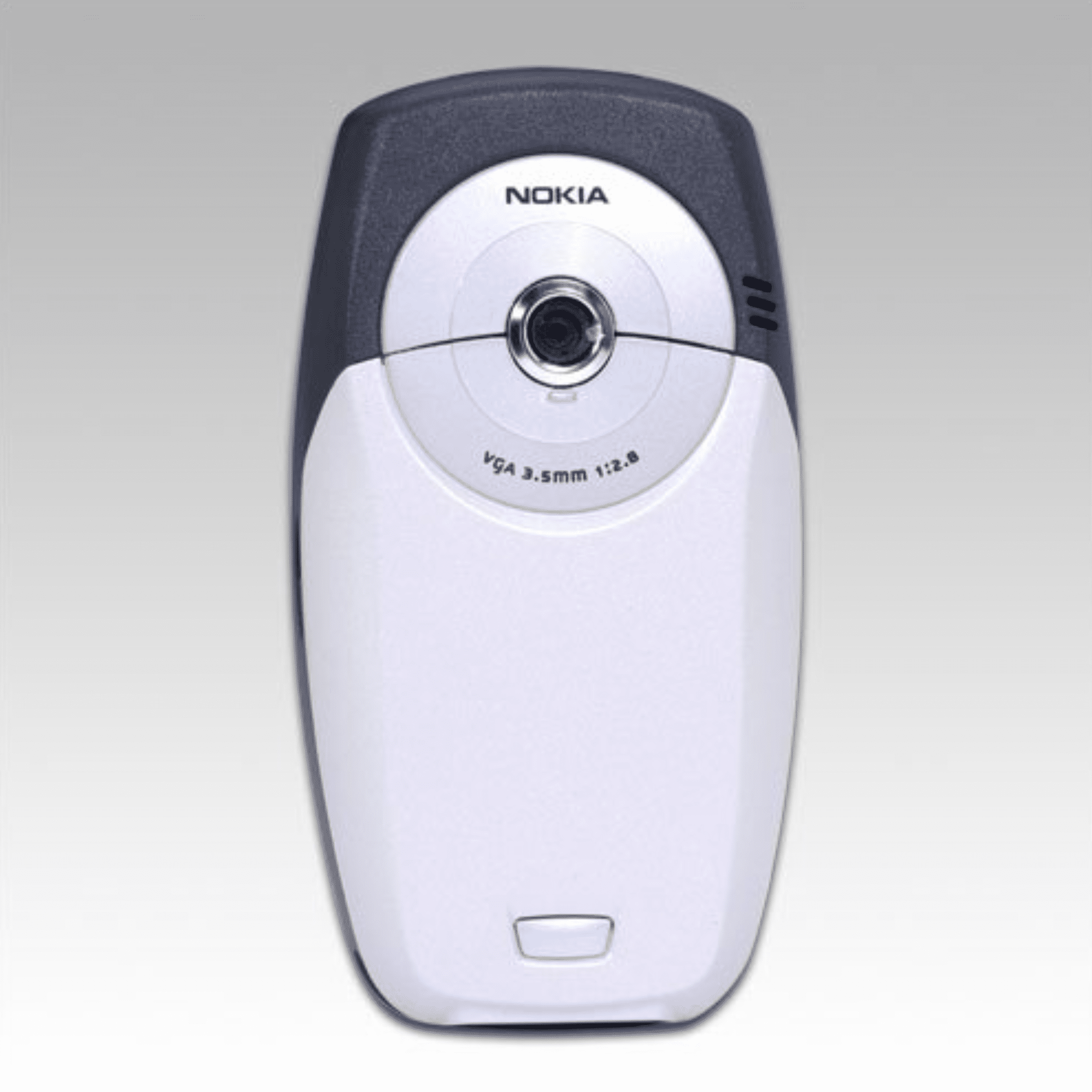
Photography was also part of the package. The Nokia 6600 includes a VGA camera (0.3 MP) with digital zoom, allowing users to capture photos and record short videos. It wasn’t about quality—it was about having a camera in your pocket at all times, which was still a growing concept in 2003.
Storage is modest, with about 6MB internal memory, but the phone supports MMC memory cards, allowing expansion for photos, apps, and files. This flexibility made it much more practical for users who wanted to store more than just contacts and messages.
Connectivity features include Bluetooth and Infrared, enabling wireless file sharing—a big deal at the time. Sending photos, ringtones, or apps between devices felt almost futuristic.
The phone also supports GPRS internet browsing, giving access to WAP websites and basic online services. It’s slow by today’s standards, but back then, it meant the internet was finally in your pocket.
Battery life is handled by a 850 mAh removable battery, offering around 2–4 hours of talk time and several days of standby, depending on usage. It’s reliable enough for daily communication without constant charging.
Navigation is smooth thanks to a 5-way joystick, which makes scrolling through menus and apps easy. Combined with the classic Nokia keypad, the overall experience feels intuitive and responsive.
What makes the Nokia 6600 special isn’t just its features—it’s what it represented. It was among the first phones to truly blur the line between a phone and a computer. You could install apps, customize themes, play games, and even use it for basic productivity tasks.
Of course, it’s not built for modern expectations. No Wi-Fi, no GPS, no high-speed internet. But that’s not really the point. The Nokia 6600 is about a time when phones started evolving—and this was right at the center of that shift.
If you’re looking for a retro smartphone, a collector’s device, or just something that reminds you how mobile technology began growing into what it is today, the Nokia 6600 still holds its place. It’s not trying to compete—it’s reminding you where it all started.



Reviews
There are no reviews yet.